
“I take pictures to stop feelings from slipping away.”
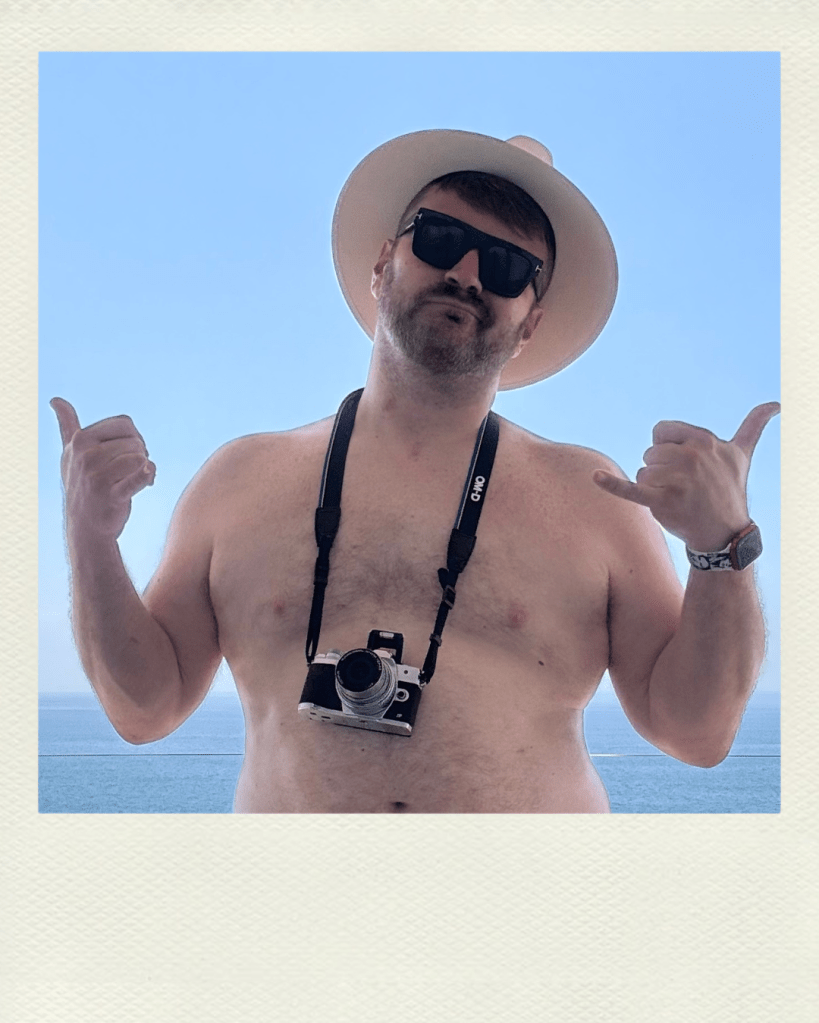
I know, I know—it sounds a bit dramatic, maybe even a little “main character syndrome.” But there’s a gritty truth to it: photos are the paper towels for memory when life gets messy. When the days start to bleed together, and the details get fuzzy, a single square of film can pull an entire afternoon back into focus.
It’s not just about the “who” or the “where.” It’s the exact pitch of a laugh, that specific sideways look that says everything without a word, and the way the light hits the dashboard at dusk, turning a mundane Tuesday into a scene from a movie.
The Architecture of the Small Stuff
This is why I don’t usually aim for the “perfect” shot. In fact, I’m hunting for the small, stubborn things:
• The crooked smiles that happen between the poses.
• Hands on steering wheels, white-knuckled or relaxed, heading nowhere in particular.
• Lamps in dark rooms that look like they’re holding their own tiny, private suns.
Those are the anchors. They end up carrying the weight of everything else.
Photography as a Rescue Mission
For me, photography is less about “composition” and more about rescue. I’m a writer, but even I lose words sometimes. I might not remember the exact sentences we traded over dinner six months ago, but if I have a photo of your hand hovering over the menu? I can feel the humidity of the restaurant again. I can hear the clinking of silverware.
If I have a photo of a crumpled ticket stub, I can hear the opener’s guitar and smell the sticky scent of spilled cola on a venue floor. These objects aren’t just things; they are time machines. A 3×3 frame becomes a door to a feeling I didn’t even know was waiting for me.
Translating the Evidence
That’s where the writing comes in. A caption is a polite nod, but an essay is the room where I try to name why that moment mattered.
My process is usually this: I’ll show you the photo (the evidence), and then I’ll tell you what the evidence felt like. I’m not here to confess my deepest secrets, just to translate what a picture remembers into words that might make you think of something you want to hold onto, too.
I live for the nostalgic things—the stories that are slightly faded at the edges. I love writing that gets a little sentimental and then winks at itself for being so earnest.
The Comments are Your “Blank Space”
If you have a photo that does this for you—a blurry candid, a picture of a keychain, or a shot of a sunset that feels like it belongs only to you—tell me about it. Post a description or share the story in the comments. I promise to read it like it’s the only thing that matters.
 Blank Space & Polaroids
Leave a comment